
Three-Phase ESS Applications for Farms and Small Businesses
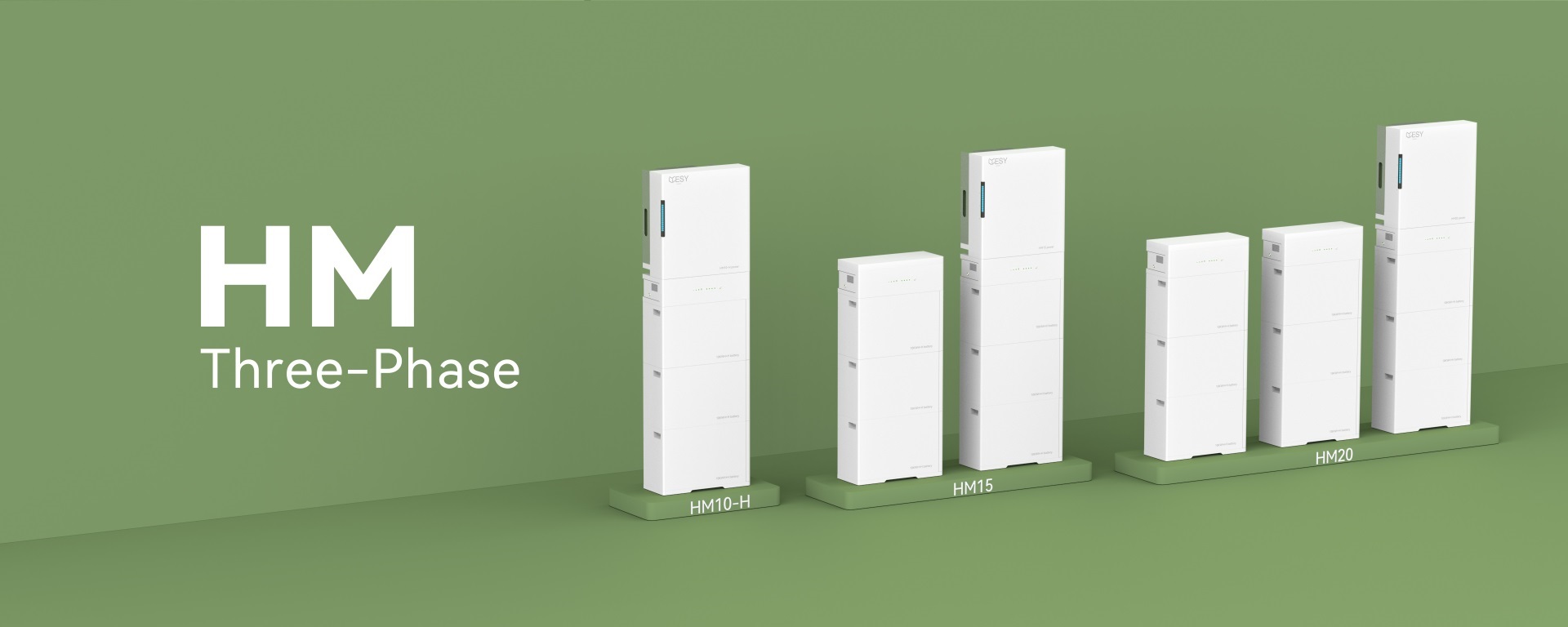
A three-phase ESS helps farms and small businesses manage high-power equipment, reduce electricity costs, and maintain stable operations. Systems ranging from 30 kWh to 500 kWh are commonly paired with 10 kW–250 kW three-phase inverters, supporting solar integration, peak demand control, and backup power. In 2024, commercial battery storage adoption increased as LFP battery prices declined and inverter efficiency exceeded 95%. A properly sized system can raise solar self-consumption from around 30% to more than 80% while improving energy reliability.
Farms and small businesses often have electrical requirements that are different from residential properties. Irrigation pumps, refrigeration units, compressors, grain processing machines, workshop equipment, and HVAC systems frequently rely on three-phase power because it provides smoother operation for motors and reduces phase imbalance.
A three-phase ESS connects directly with these electrical systems by storing energy and supplying power when needed. Compared with single-phase batteries, three-phase systems can distribute electricity more evenly across the grid connection, making them suitable for equipment with higher starting currents.
Many agricultural and commercial facilities operate equipment that requires stable voltage conditions. A three-phase storage system can help maintain power quality when large motors start or when grid supply becomes unstable.
The demand for reliable energy has increased as electricity prices and grid requirements change. In many commercial electricity markets, customers pay not only for consumed energy but also for their highest monthly power demand. Battery storage can reduce these short periods of high consumption by supplying stored electricity.
For example, a workshop using 100 kW of peak power may install a 50 kW battery inverter. During peak periods, the ESS can provide part of the required electricity and reduce grid demand. If demand charges are calculated at $15/kW per month, reducing peak demand by 40 kW could lower monthly charges by approximately $600.
Solar integration is one of the most common applications for farm and small business ESS projects. A typical farm may install a 50 kW–200 kW solar array and combine it with a 100 kWh–400 kWh battery system.
During daylight hours, solar power supplies operating equipment while extra electricity charges the battery. After sunset, the stored energy supports refrigeration, lighting, pumps, and other essential loads.
A 200 kWh battery paired with a 50 kW inverter can provide approximately four hours of full output operation. Actual runtime depends on battery capacity, inverter efficiency, and electricity consumption patterns.
The same principle applies to commercial buildings using a three-phase home ESS or small business energy storage solution. Systems can be configured for different applications, including solar self-consumption, backup power, and electricity price management.
A properly designed system considers several factors before installation:
| Factor | Typical Range | Purpose |
|---|---|---|
| Battery capacity | 30 kWh–500 kWh | Match daily electricity use |
| Inverter power | 10 kW–250 kW | Support equipment demand |
| Battery chemistry | LFP | Improve safety and cycle life |
| Operating cycles | 6,000–10,000 cycles | Long service period |
| System efficiency | 90%–95%+ | Reduce energy losses |
Battery technology has improved significantly in recent years. Lithium iron phosphate (LFP) batteries are widely used in commercial ESS because they provide stable performance, high thermal resistance, and long cycle life.
Many LFP systems can achieve more than 6,000 charging cycles under normal operating conditions. With one full cycle per day, this represents more than 16 years of theoretical operation before reaching the rated cycle limit.
Backup power is another important application for agricultural and commercial users. Farms depend on continuous electricity for refrigeration, water supply, ventilation, and automated systems. A power interruption lasting several hours may affect stored products, livestock conditions, or production schedules.
Three-phase ESS systems can provide automatic backup when connected with suitable transfer equipment. Critical loads can be separated from non-essential equipment so that battery power is used more efficiently.
A farm may prioritize refrigeration and water pumps during an outage, while a small business may prioritize servers, security systems, lighting, and production equipment.
Energy management software improves how storage systems operate. Modern ESS platforms monitor electricity generation, consumption, battery temperature, and charging status. Some systems use weather forecasts and historical electricity patterns to adjust charging and discharging schedules.
For example, if solar production is expected to be high the next day, the system may avoid unnecessary grid charging. If electricity prices increase during evening hours, the battery can reserve stored energy for that period.
The physical design of an ESS installation also affects long-term performance. Outdoor battery cabinets require suitable protection against temperature changes, moisture, and dust. Indoor systems require proper ventilation and enough installation space.
Commercial users often prefer modular battery systems because energy needs can increase over time. A business may begin with a 50 kWh system and expand to 200 kWh after adding equipment or increasing solar capacity.
The connection between solar generation, battery storage, and energy management creates a more flexible electricity system. Instead of relying only on grid supply, farms and small businesses can use multiple energy sources according to operating conditions.
For smaller facilities, compact three-phase storage products are becoming more common. A residential-scale system such as three-phase home ESS can also support properties with higher electricity demand, especially where three-phase electrical connections are available.
The financial performance of ESS depends on electricity rates, solar production, equipment costs, and usage patterns. A 2025 commercial analysis showed that locations with high electricity prices and frequent demand charges generally achieved shorter payback periods compared with areas with stable low-cost electricity.
Government programs and utility incentives also influence ESS adoption in regions such as the United States, Australia, and European countries. Policies supporting renewable energy, grid flexibility, and energy independence have increased interest in distributed battery storage.
Three-phase ESS systems are expected to continue expanding among farms and small businesses as battery costs decrease and renewable energy installations increase. Systems combining solar generation, intelligent controls, and reliable battery storage allow users to manage electricity consumption more efficiently while maintaining stable operation of important equipment.